

On-Site Studio vs Post-Event Shooting: What Works Better for Exhibitors
- Envogue Events
- Jan 23
- 3 min read

On-site studio setups work better when exhibitors need real-time content, immediate brand visibility, and authentic event context. Post-event shooting performs better when the objective is controlled storytelling, refined visuals, and long-term brand assets. The better option depends on audience intent, content timelines, and how closely visuals must align with the live exhibition experience.
This analysis is grounded in direct operational exposure to exhibitions, trade shows, and brand activations across controlled studio environments and live event floors. The intent is to clarify decision-making using execution realities, not theory, and to help exhibitors choose the right production approach based on measurable outcomes rather than assumptions.
Understanding the Core Difference in Execution Context
On-Site Studio Production Environment
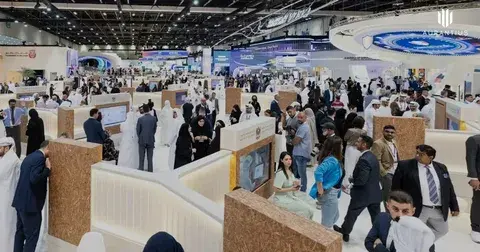
On-site studios operate within active exhibition venues. Content is captured during live interactions, presentations, and footfall peaks.
Execution Factor | On-Site Studio Shooting |
Environment Control | Limited |
Authenticity | High |
Content Turnaround Speed | Immediate |
Background Consistency | Variable |
Audience Presence | Live, contextual |
Bonus Tip: On-site studios deliver higher engagement when shooting schedules align with peak visitor hours rather than continuous filming.
Post-Event Studio Shooting Environment
Post-event shooting occurs after the exhibition in a controlled studio or curated location. The focus shifts from immediacy to precision.
Execution Factor | Post-Event Shooting |
Environment Control | Full |
Authenticity | Curated |
Content Turnaround Speed | Slower |
Background Consistency | High |
Audience Presence | None |
Bonus Tip: Post-event shoots perform best when creative direction is finalized before the exhibition ends, using real attendee feedback to refine messaging.
Performance Comparison Based on Exhibitor Objectives
Content Purpose and Output Alignment
Objective | On-Site Studio | Post-Event Shooting |
Social media highlights | Strong fit | Limited |
Brand storytelling | Moderate | Strong fit |
Product demonstrations | Contextual | Controlled |
Executive interviews | Risk-prone | Optimal |
Long-term campaigns | Limited | High value |
According to HubSpot’s 2024 content performance study, real-time event content generates up to 35% higher engagement on social platforms, while studio-produced assets show longer shelf life across campaigns.
Technical Production Variables That Affect Results
Production Reliability and Technical Control
Technical Aspect | On-Site Studio | Post-Event Shooting |
Lighting consistency | Affected by venue | Fully controlled |
Audio clarity | Noise-sensitive | Clean capture |
Retake flexibility | Limited | Unlimited |
Crew movement | Restricted | Optimized |
Power & equipment access | Conditional | Stable |
PwC’s global brand experience report highlights that production consistency directly influences perceived brand trust, especially in B2B environments.
Regional and Climate-Specific Considerations
Exhibition venues in the Middle East maintain climate control, but external logistics still influence on-site production:
Load-in timing affects setup quality
Venue acoustics vary significantly
High visitor density increases background interference
Post-event shooting avoids these variables but disconnects visuals from the live exhibition context.
Bonus Tip: In large GCC exhibitions, early morning shoots reduce ambient noise and foot traffic disruptions.
Decision Factors Before Locking the Production Approach
Pre-Production Evaluation That Prevents Rework
Decision Area | Why It Matters |
Content distribution timeline | Determines urgency |
Audience touchpoints | Influences authenticity needs |
Internal approvals | Impacts retake feasibility |
Messaging flexibility | Favors studio control |
Resource availability | Limits on-site adaptability |
Rushing this evaluation often results in duplicated production costs and fragmented messaging.
Studio and Event Capabilities That Support Both Approaches
Envogue Events LLC applies the following capabilities when production strategy intersects with live events and controlled environments:
Corporate Event Planner: Aligns production schedules with exhibition operations and stakeholder availability.
Advertising: Translates raw visuals into message-driven assets without distorting context.
Studio: Provides controlled environments for refined, repeatable content output.
Gallery: Structures visual narratives that guide audience interpretation post-event.
Common Pre-Decision Questions Exhibitors Ask
Should both approaches be combined?
Yes. Hybrid execution often delivers the strongest content mix.
Does on-site shooting reduce post-event relevance?
Only when content lacks narrative framing.
Can post-event shoots reuse exhibition elements?
Yes, when assets are documented and preserved correctly.
Is one approach more reliable?
Reliability depends on preparation, not location.
Practical Questions After Content Goes Live
How long does on-site content stay relevant?
Short-term impact peaks within weeks, then declines.
Do studio visuals outperform live visuals over time?
Yes, for evergreen brand communication.
Can footage be repurposed across campaigns?
Post-event assets offer higher repurposing flexibility.
What limits ROI most often?
Poor alignment between content intent and shooting environment.
How should performance be reviewed?
Measure engagement lifespan, not just initial reach.
Key Takeaways for Exhibitors
On-site studio production delivers immediacy, context, and engagement. Post-event shooting delivers control, polish, and longevity. The correct choice depends on timeline pressure, audience expectations, and how closely visuals must reflect live experience. Strategic planning prevents content redundancy and improves performance consistency.


Comments