

Chinese New Year 2026: How Global Cities Celebrate the Year of the Horse Through Cultural Events

Chinese New Year 2026, marking the Year of the Horse, is observed globally through large-scale cultural events that blend traditional rituals with localized interpretations. Across Asia, Europe, the Middle East, and North America, cities use parades, lantern festivals, performances, and community gatherings to reflect shared cultural heritage while adapting celebrations to local regulations, climates, and audience expectations. The Year of the Horse traditionally emphasizes energy, movement, ambition, and social connection—themes clearly visible in how cities design their public events.
This analysis is grounded in professional exposure to multicultural event environments and international festival operations. The information prioritizes verified cultural practices, logistical patterns, and documented attendance trends to provide an authoritative, experience-based overview of how global cities approach Chinese New Year celebrations in 2026.
Global Celebration Patterns in the Year of the Horse
Symbolism Driving Event Design
The Horse occupies a unique position in the Chinese zodiac, associated with vitality, progress, and collective momentum. Event programming in 2026 reflects these traits through dynamic performances, processional formats, and interactive public spaces rather than static exhibitions.
Key symbolic drivers influencing event formats are summarized below:
Cultural Symbol | Meaning in the Year of the Horse | Common Event Expression |
Horse | Energy and movement | Street parades, dance processions |
Fire element | Passion and renewal | Fireworks, light shows, lanterns |
Community unity | Social harmony | Public festivals, shared meals |
Regional Approaches Across Major Cities
Different regions adapt Chinese New Year celebrations based on demographics, public policy, and climate conditions. Asian cities focus on heritage continuity, while Western cities emphasize cultural exchange and tourism engagement.
Region | Representative Cities | Primary Event Focus | Adaptation Factors |
East Asia | Beijing, Hong Kong, Taipei | Traditional rituals and performances | Lunar calendar alignment, cultural continuity |
Southeast Asia | Singapore, Kuala Lumpur | Street festivals and markets | Tropical climate, multicultural audiences |
Europe | London, Paris | Parades and cultural showcases | Public safety rules, tourism schedules |
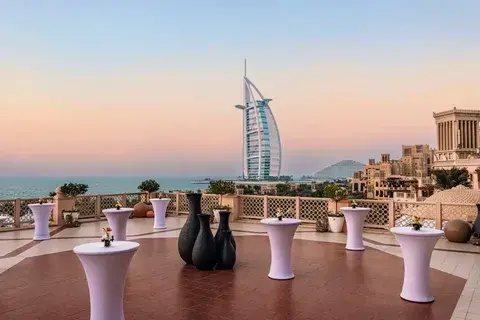
Middle East | Dubai | Curated cultural events | Venue-based formats, diverse expat population |
North America | San Francisco, Vancouver | Large-scale parades | Crowd management, sponsorship frameworks |
According to UNESCO’s Intangible Cultural Heritage documentation, Chinese New Year celebrations outside China increasingly function as platforms for intercultural dialogue rather than purely ethnic observances, influencing how cities curate programming.
Event Formats Commonly Used Worldwide
Parades and Processions
Parades remain the most visible format globally. The Year of the Horse encourages forward motion, making moving performances central to programming. Cities often extend parade routes in 2026 to increase public participation and manage crowd density.
Bonus Tip: Routes with multiple access points reduce congestion and improve emergency response times during peak attendance hours.
Cultural Performances and Exhibitions
Dance, music, calligraphy, and martial arts demonstrations serve educational purposes, particularly in regions with smaller Chinese communities. These formats align with public venue constraints and weather variability.
Food and Market Experiences
Food festivals highlight symbolic dishes such as dumplings and longevity noodles. Statista reports that food-related activities account for over 35% of visitor engagement at Chinese New Year events in non-Asian cities, underscoring their universal appeal.
Technical and Cultural Specifications of Key Event Elements
Element | Purpose | Technical Considerations |
Lantern displays | Symbolize hope and renewal | Fire safety, power load planning |
Fireworks | Mark ceremonial transitions | Local regulations, noise restrictions |
Dragon and lion dances | Represent strength and luck | Performer training, space clearance |
Public stages | Host performances | Load capacity, acoustic management |
Factors to Evaluate Before Planning or Attending Celebrations
Before engaging with or organizing Chinese New Year events, several pre-decision factors influence outcomes:
Cultural authenticity and symbolic accuracy
Audience composition and cultural literacy
Climate conditions and contingency planning
Regulatory compliance and public safety
Bonus Tip: Indoor venues with modular layouts offer flexibility in regions with unpredictable winter weather.
Services Supporting Cultural Event Execution
The following services align directly with large-scale cultural celebrations such as Chinese New Year and are structured to support complex, multicultural events:
Corporate Event Planning: Structured coordination for institutional and public-sector cultural programs.
Studio Services: Controlled environments for rehearsals, exhibitions, and media documentation.
Glitz Production: Visual staging elements that enhance ceremonial impact without cultural distortion.
Gallery Management: Curated exhibition spaces for heritage-focused installations.
Common Decision-Oriented Questions
How do cities balance tradition with local culture?
Cities retain core rituals while adapting presentation styles, language, and formats to local norms and regulations.
Are Chinese New Year events standardized globally?
No. Core symbols remain consistent, but execution varies widely by region.
What determines the scale of celebrations?
Population demographics, municipal support, and tourism strategies influence scale.
Is public participation essential?
Yes. Community engagement reinforces cultural continuity and educational value.
Long-Term Questions After Participation
How do Chinese New Year events evolve over time?
Events increasingly integrate digital elements, sustainability practices, and cross-cultural collaborations.
What challenges affect future celebrations?
Urban density, regulatory changes, and cultural misrepresentation remain ongoing concerns.
How can cultural accuracy be preserved?
Involvement of cultural advisors and community organizations ensures authenticity.
Why does the zodiac animal matter each year?
The zodiac theme shapes narrative focus, visual design, and performance energy.
Key Takeaways for Global Observers
Chinese New Year 2026 demonstrates how the Year of the Horse influences global event design through movement, participation, and symbolic energy. Cities succeed when cultural respect, logistical planning, and audience engagement align. Evaluating regional context and long-term cultural impact remains essential when engaging with these celebrations.


Comments